

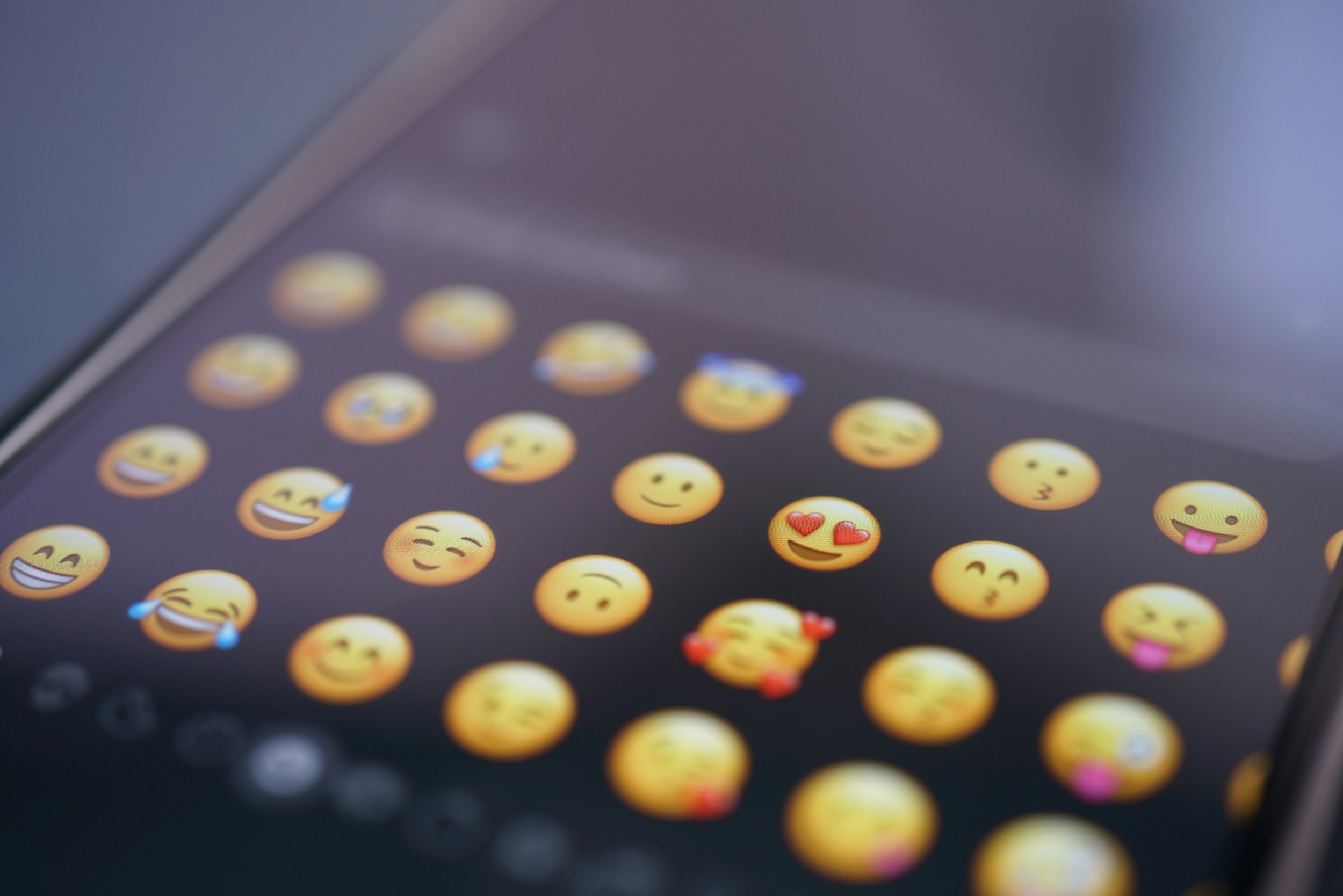
Can Emojis Hurt Your Professional Credibility?
You use emojis in your work messages because they're quick, easy, and they say exactly what you mean... right? Surely one little emoji couldn't make people question your competence.
Well... maybe it could. Researchers at the University of Ottawa suggest that, depending on the context and tone of your message, emojis may have a much greater impact than you think.
Learn how to use emojis at work without undermining your professional credibility in this article from The Conversation.
The One Thing You Should Never Do in a Crisis
When a crisis hits, what's your first instinct? Some people avoid the situation altogether, while others rush to explain everything. Either way, maintaining the trust of your stakeholders should remain your top priority.
This article from PR Daily explains why, in times of crisis, a few carefully chosen words often have a greater impact than lengthy explanations.
Not Following Every Trend… Is That a Bad Thing?
Every week, a new trend takes over social media. Some brands jump on it without a second thought, while others choose their moments carefully. So, who's making the right call?
This article from Sprout Social explains how to embrace social media trends—without losing your brand's authenticity!
Being good isn’t enough anymore: you have to be visible
Performance alone is no longer enough to build credibility. Just as important as results is the ability to showcase them—whether on social media, through customer testimonials, or via recognition from colleagues. Without this visibility, even excellent work can go unnoticed! Discover how to strategically boost your visibility in this article from the MIT Sloan Management Review.
When war becomes a “meme”
Recent conflicts no longer circulate solely through traditional media, but also as “memes” on social media. Humor, parodies, and short-form content transform complex crises into quick-to-consume, easy-to-share content devoid of context. A dynamic that blurs the lines between information, humor, and reality! Discover how this “meme culture” influences our understanding of conflicts in this WIRED article.

Can AI wear you out mentally?
Artificial intelligence promises to simplify work, but its intensive use can also have the opposite effect. A recent study highlights the phenomenon of “brain fry”: cognitive fatigue linked to excessive use of AI and an overload of tasks to manage. Conversely, when AI is properly integrated to automate repetitive tasks, it can reduce burnout. It all depends, therefore, on how it is integrated into daily life, according to this Harvard Business Review article.

Long-form content makes a comeback
After years dominated by short formats, long-form content is reclaiming its place on social media. Users now seek more depth, context, and value, prompting even platforms like TikTok to favour longer videos in their algorithms. This shift toward long-form content could be a game-changer for your business! Find out more in this article from Disrupt.
The art of being quoted rather than clicked
With the rise of AI-powered search engines, ranking at the top of search results is no longer enough. In 2026, the real challenge lies elsewhere: being directly cited in generated responses. Journalistic content and media mentions are becoming essential levers, far beyond traditional SEO. Learn how to adapt your strategies to stay visible online in this Muck Rack article.

Professional friendships: an underrated asset
For a long time, work and personal relationships were kept separate, but that boundary is increasingly being challenged. Trust, knowledge sharing, better collaboration: these connections contribute as much to performance as they do to well-being. Check out this Harvard Business Review article to learn how to build strong professional friendships and make the most of them!
Audio quality: the detail that makes all the difference
Even with a flawless image, poor sound quality can undermine your message. Ambient noise, echo, or muffled voices aren't just irritating: a study by the Proceedings of the National Academy of Sciences shows that poor audio can make someone seem less credible, less competent, and less qualified. Take control of your audio now with these tips from PR Daily!
When advertising makes its way into ChatGPT
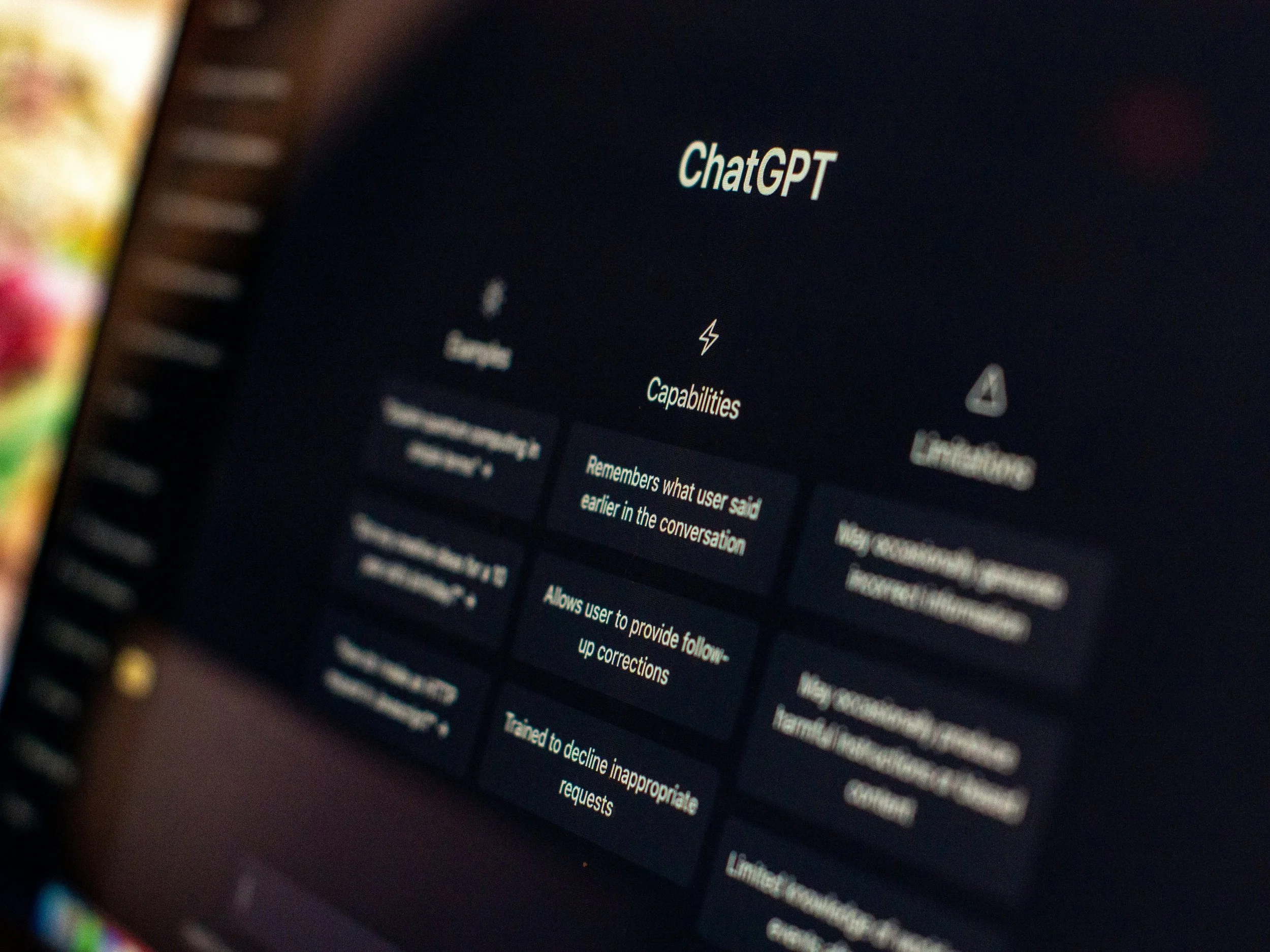
OpenAI is preparing to integrate ads into ChatGPT, a first for the tool used by hundreds of millions of people every week. The company assures users that these ads will not influence responses and that no personal data will be sold. It remains to be seen how OpenAI will manage to balance monetization, trust, and user experience... Find out all the details in this article from WIRED!

Influencers and authenticity: can we still believe it?
Influencer marketing is now worth more than $24 billion, but consumer trust in influencers is crumbling. Purchased fake followers, overly scripted content, misaligned values... how can you create a collaboration that truly inspires trust and strengthens your brand? Discover the five keys to an authentic partnership in this Harvard Business Review article.

Behind the chocolates in your Advent calendar
You might think that Advent calendars have become nothing more than marketing tools, transformed into showcases for sweets, beauty products, or gadgets. However, behind each little window lies a deeply rooted religious tradition. Discover the fascinating history of Advent calendars in this article from The Conversation.
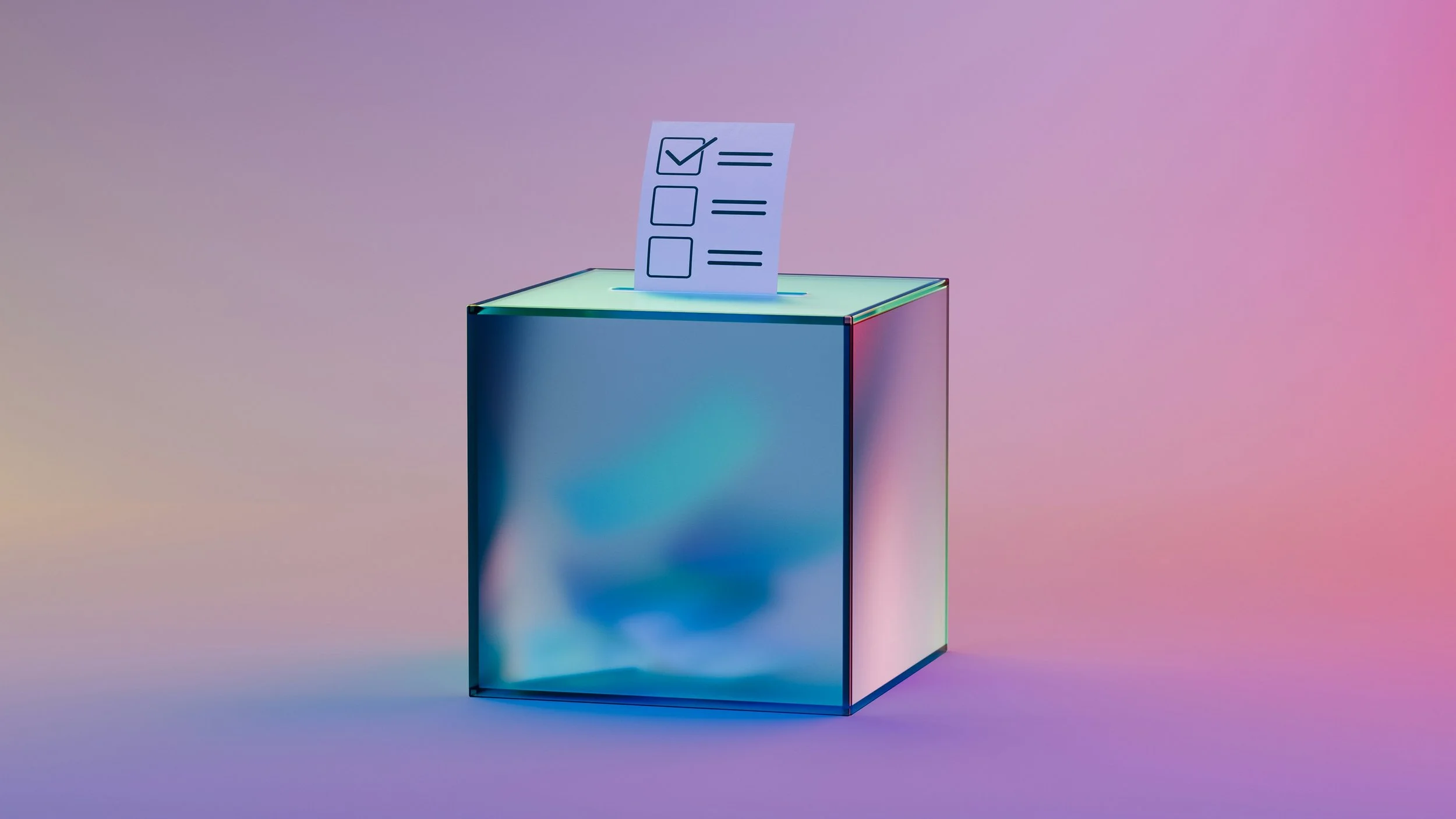
Could ChatGPT influence your vote?
Did you know that just a few minutes of conversation with a pro-Trump or pro-Harris chatbot is enough to change some voters' minds? That's what American researchers have discovered, highlighting the disturbing potential of AI to manipulate political opinions on a large scale. Learn more in this article from The Atlantic.

Your exclamation points speak volumes!
Every exclamation point in your emails or messages can influence how people perceive you. According to an American study, these little symbols can make your messages sound warmer and more enthusiastic... but also less impactful. It's a subtle balance to strike, depending on the image you want to project! Check out this article from Nautilus to learn more.
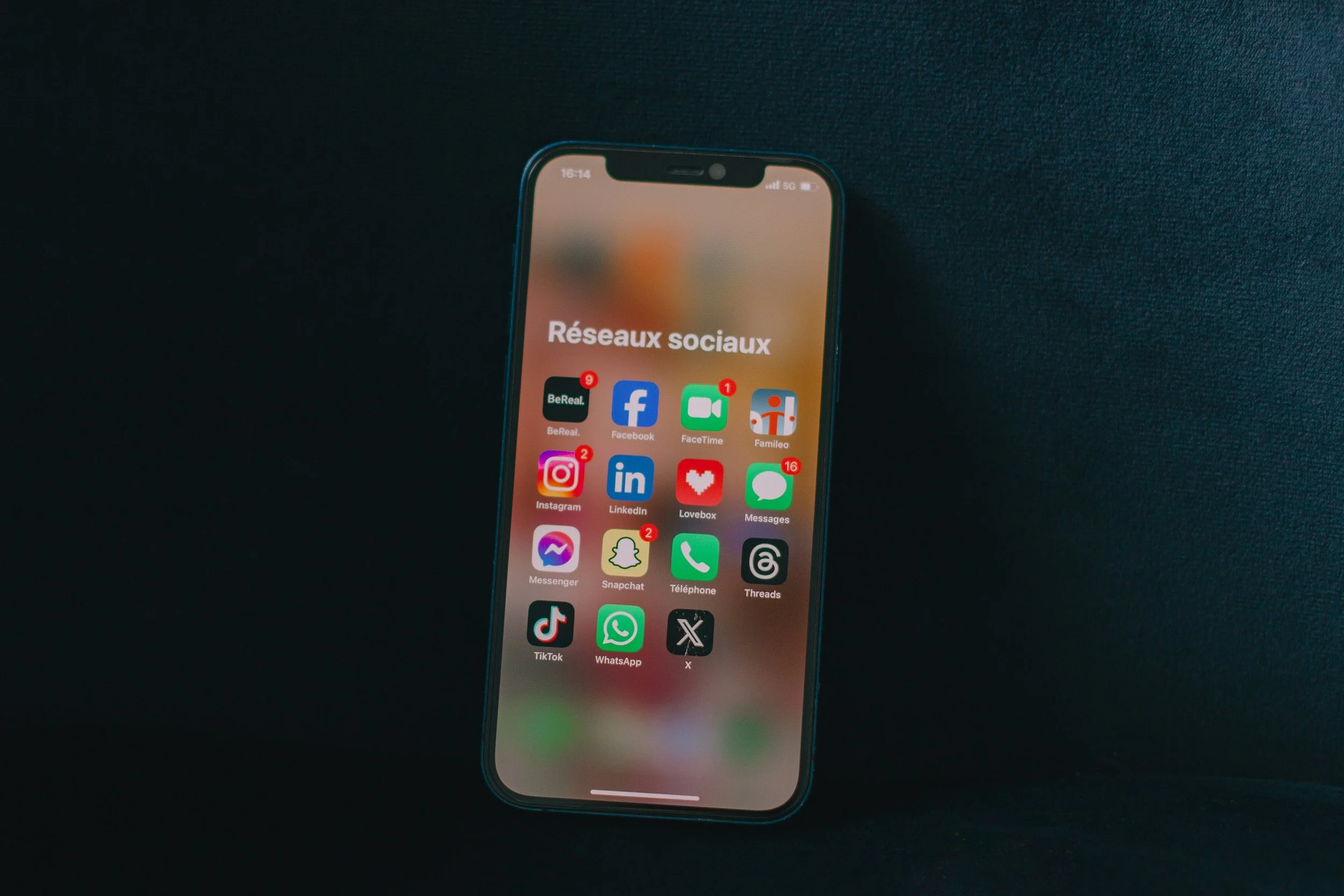
Technology, an invisible source of exhaustion
Every message, notification, and app switch on our phones builds up stress that our brains aren't designed to handle. According to Paul Leonardi, department chair and professor of technology management at the University of California, this digital overload wears us out way more than we think. This CNN article shares some easy tips to help you take back control and reduce digital fatigue.
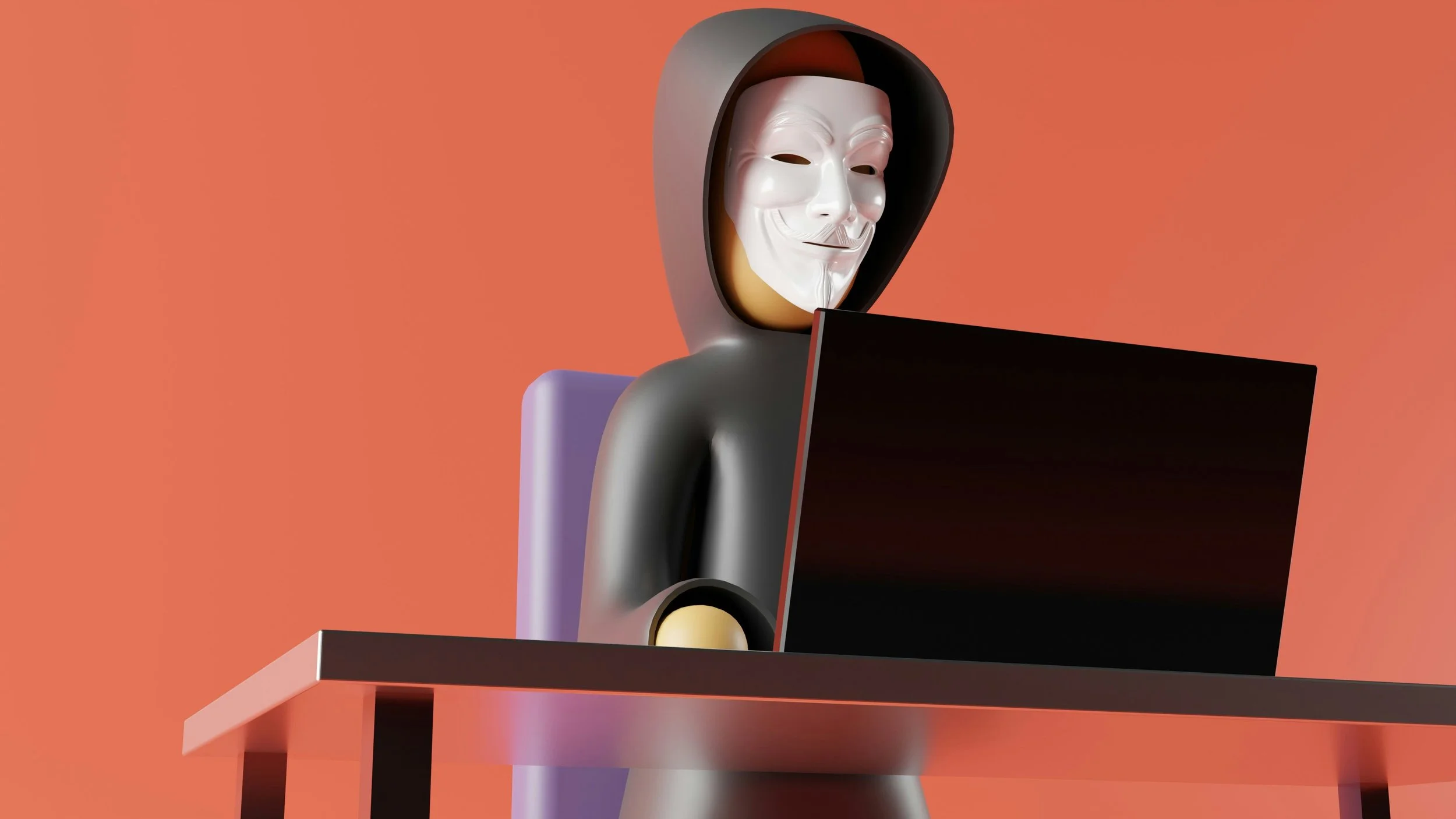
When your brand identity hangs by a click
What if everything you had built to inspire trust could be used against you in a matter of seconds? Cybersecurity expert Chris McKie explains how cybercriminals turn logos, websites, and messages into tools of deception, exploiting customer trust faster than any communications team can react. A must-read from Forbes magazine to understand the invisible risks that threaten brand reputation today.
The key to successful crisis management
We often think that crisis management boils down to hasty or improvised reactions in the moment. According to Maude Blouin, Director of Communications at FLO, effective crisis management requires advance preparation. Building trust, clarifying roles, and putting concrete processes in place are what enable an organization to stay in control when the storm hits. Learn more in this article from PR Daily.

Crisis management: lessons from the Cracker Barrel case
Everyone has heard about Cracker Barrel's failed attempt to modernize its image. By removing its traditional logo and modernizing its restaurants, the chain underestimated its customers' symbolic attachment to the brand. The negative reaction affected its reputation and stock market value, forcing the company to restore its visual identity and suspend its plans.
But what lessons can be learned from this? And above all, how can such waste be avoided? In this Forbes article, experts compare Cracker Barrel's misadventure with others such as Jaguar and Bud Light, in order to draw lessons from best practices and things to avoid. Hint: having a crisis management plan is a good practice!

Does your first name have an effect on your career?
What if your first name influenced your career? This is the hypothesis put forward by researchers based on the linguistic phenomenon known as the “bouba/kiki effect.”
According to this theory, the sound of a first name is not neutral: some names, considered “softer” or “rounder,” may be perceived more favorably, while others, ‘harder’ or “angular,” may have a different impact on the image we project.
It's an intriguing idea that makes us think about the unconscious importance of sounds in our judgments.